Unlocking Flood Insurance: Buyer’s Guide to Protection
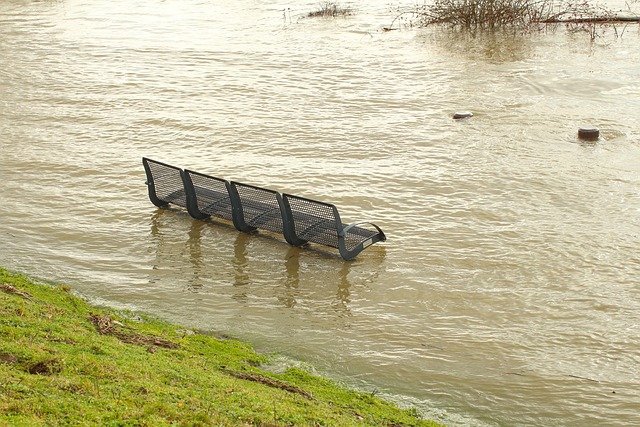
Flood insurance is essential for homeowners, especially in high-risk areas, offering specific covera…….
Giving you all the latest Arizona Buzz!
In an era defined by escalating climate variability, the world is increasingly vulnerable to extreme weather events, with floods emerging as one of the most devastating and pervasive. Flood insurance stands as a crucial safety net, offering protection to individuals, businesses, and communities facing the financial onslaught of these natural disasters. This comprehensive article delves into the multifaceted world of flood insurance, exploring its historical roots, global impact, economic implications, technological innovations, regulatory frameworks, and future prospects. By shedding light on both the successes and challenges within this domain, we aim to equip readers with a holistic understanding of flood insurance’s role in fostering resilience and mitigating risk.
Flood insurance is a specialized form of property insurance designed to protect against losses arising from flooding events. It provides financial coverage for damages to insured properties, including structures, personal belongings, and business assets, as a result of rising water levels caused by heavy rainfall, river overflows, coastal storms, or other natural phenomena.
The core components of flood insurance typically include:
Coverage Limits: Insurers set maximum amounts for property damage, with separate limits often specified for structural damages and personal belongings.
Deductibles: Policyholders agree to a deductible amount, which is the initial out-of-pocket cost in case of a claim. The deductible is subtracted from the total insurance payout.
Policy Exclusions: Certain events or circumstances may be excluded from coverage, such as damage caused by sewage backups, land subsidence, or flooding specifically excluded by the policy.
Claims Process: In the event of flooding, policyholders must follow specific steps to file a claim, including documenting damages and providing necessary evidence.
Historically, flood insurance emerged in response to catastrophic floods like the one that struck New Orleans in 1927, highlighting the urgent need for financial protection against such events. Over time, it has evolved into a sophisticated risk management tool, incorporating advances in hydrological modeling, mapping technologies, and data analytics.
Flood insurance is a global concern, with significant variations in adoption rates, regulatory frameworks, and market dynamics across regions.
North America: The United States, Canada, and Mexico have well-established flood insurance markets, driven by historical experiences with devastating floods. The National Flood Insurance Program (NFIP) in the US, for instance, offers flood coverage to property owners in high-risk areas.
Europe: European countries like Germany, the Netherlands, and the United Kingdom have robust flood insurance systems, often integrated into broader home insurance policies due to a long history of riverine flooding.
Asia: Countries in South and Southeast Asia, such as China, India, and Indonesia, face some of the highest flood risks globally. While flood insurance is available, adoption rates vary, influenced by socio-economic factors and historical underinsurance.
Emerging Markets: Rapid urbanization and climate change are driving demand for flood insurance in developing countries, where informal settlements often lack adequate drainage systems and are more vulnerable to severe weather events.
Recent trends indicate a growing recognition of the need for comprehensive flood risk management, with an increase in government-backed programs and private sector investments in flood insurance solutions globally.
The global flood insurance market is dynamic, shaped by various economic factors:
| Factor | Impact |
|---|---|
| Historical Flood Events: Major floods trigger demand for insurance, leading to price fluctuations and policy changes. | |
| Economic Growth: Rising GDPs in vulnerable regions increase the value of assets at risk, fostering market growth. | |
| Urbanization: Urban areas face unique flood risks, driving demand for specialized coverage. | |
| Government Policies: Subsidized flood insurance programs can encourage uptake, while strict regulatory frameworks may limit market expansion. | |
| Climate Change: Changing weather patterns increase flooding frequency and severity, presenting both challenges and opportunities for insurers. |
Flood insurance plays a pivotal role in economic resilience by:
Technological innovations are revolutionizing flood insurance, improving risk assessment, pricing models, and claim handling:
Remote Sensing and GIS Mapping: Advanced satellite imagery and Geographic Information Systems (GIS) enable precise mapping of floodplains, identifying high-risk areas with greater accuracy.
Hydrological Modeling: Sophisticated models simulate water flow patterns, helping insurers predict flood extent and intensity more effectively.
AI-Driven Risk Assessment: Artificial Intelligence (AI) algorithms analyze historical data, policyholder information, and environmental factors to assess flood risk dynamically.
Smart Home Technology: Integrating sensors and IoT devices into homes allows for real-time monitoring of water levels, enabling faster claim settlements and proactive risk management.
Blockchain for Claims: Blockchain technology offers secure, transparent, and efficient claims processing, reducing fraud and speeding up payouts.
These advancements are enhancing the industry’s ability to price policies accurately, improve customer service, and foster a more data-driven approach to flood risk management.
Regulatory frameworks govern flood insurance to ensure fair practices, maintain market stability, and protect policyholders:
Government Oversight: Most countries have government agencies overseeing the insurance sector, setting guidelines for flood insurance policies, and enforcing regulations.
Risk Assessment Guidelines: Regulators provide standards for evaluating flood risk, including minimum mapping and modeling requirements, to ensure consistent risk communication.
Rate Regulation: Authorities monitor and set insurance premiums, ensuring they are adequate to cover potential claims while preventing excessive pricing.
Policyholder Protection: Consumer protection laws safeguard policyholders’ rights, mandating clear policy terms, fair claim handling procedures, and anti-discriminatory practices.
International Cooperation: Organizations like the International Association of Insurance Supervisors (IAIS) promote international cooperation on insurance supervision, sharing best practices for flood risk management.
Despite its benefits, flood insurance faces several challenges and criticisms:
Underselling and Exclusion: In some regions, flood insurance is underutilized due to historical lack of awareness, high costs, or exclusion of certain risks from policies.
Inaccurate Risk Assessment: Traditional risk models may struggle to account for complex urban landscapes, climate change impacts, and evolving land use practices, leading to potentially inaccurate assessments.
Claim Handling Delays: Processing claims promptly can be challenging, especially in remote areas or following major disasters, causing frustration among policyholders.
Limited Coverage: Some policies may not cover all aspects of flood damage, leaving homeowners or businesses with significant financial burdens.
To address these issues, insurers are adopting data-driven approaches, improving claim handling processes, and collaborating with governments to enhance accessibility and awareness.
The Netherlands is renowned for its innovative flood management strategies, including an integrated approach to insurance and risk mitigation.
Risk-Based Pricing: Dutch insurers utilize advanced mapping and modeling to set prices based on individual risks, encouraging policyholders in high-risk areas to invest in flood-resistant measures.
Community Engagement: Local communities actively participate in flood defense projects, fostering a sense of collective responsibility for resilience.
Public-Private Partnerships: Effective collaboration between the government and private insurers has led to robust flood insurance coverage and comprehensive risk management.
Japan, frequently affected by typhoons and flooding, has implemented successful post-disaster recovery strategies intertwined with flood insurance.
Comprehensive Coverage: Japanese policies often cover a wide range of flood-related damages, including business interruptions and infrastructure losses.
Government Support: The government provides financial assistance for reconstruction efforts, ensuring communities can recover quickly after floods.
Community-Based Initiatives: Local communities organize disaster response teams and conduct regular drills, enhancing overall resilience.
The National Flood Insurance Program (NFIP) in the US is a significant government-backed flood insurance initiative with both successes and limitations:
Widespread Coverage: NFIP offers flood coverage to millions of properties in high-risk areas, providing financial security to policyholders.
Community Engagement Deficits: Critics argue that NFIP has not always engaged local communities effectively in risk mitigation efforts, leading to limited adoption and preparation for flooding.
Policy Exclusions: The program’s policies may exclude certain types of damage or have strict conditions, leaving some policyholders underinsured.
The future landscape of flood insurance is poised for growth and innovation:
Data Analytics and AI: Advanced analytics will continue to revolutionize risk assessment, pricing, and claims processing, enabling insurers to offer more tailored policies.
Digital Transformation: Digital platforms and mobile apps will enhance policyholder engagement, making it easier to purchase, manage, and claim insurance.
Microinsurance: Offering smaller, more affordable flood insurance policies can cater to low-income households historically underinsured against flooding.
Climate Change Adaptation: Insurers will play a crucial role in helping communities adapt to changing climate patterns by offering coverage for extreme weather events.
Public-Private Partnerships (PPPs): Collaborative efforts between insurers, governments, and NGOs will drive innovation in flood risk management and funding.
Flood insurance is an indispensable tool in the global fight against the devastating impacts of flooding. As climate change intensifies and urbanization grows, the demand for effective flood risk management solutions will only increase. This article has explored the multifaceted world of flood insurance, highlighting its historical roots, international significance, economic implications, technological advancements, regulatory frameworks, challenges, and successful case studies.
By embracing innovation, fostering collaboration, and ensuring equitable access to coverage, the flood insurance industry can contribute significantly to building resilient communities worldwide. As we navigate an ever-changing climate, a robust flood insurance framework becomes not just a necessity but a cornerstone of global disaster risk reduction efforts.
Flood insurance is essential for homeowners, especially in high-risk areas, offering specific covera…….
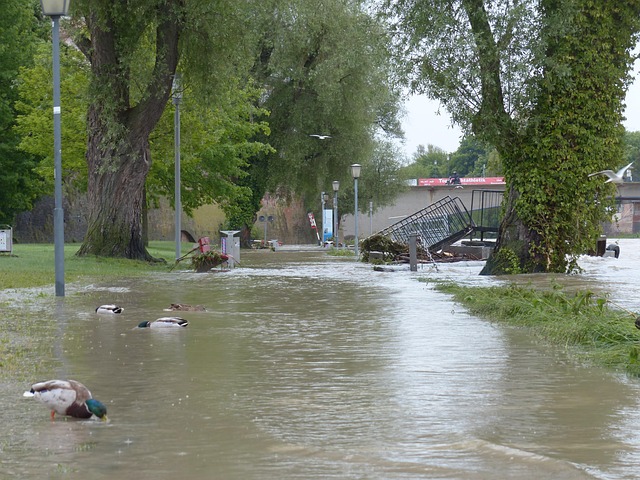
Real estate professionals must navigate complex flood risk assessments to ensure informed decision-m…….
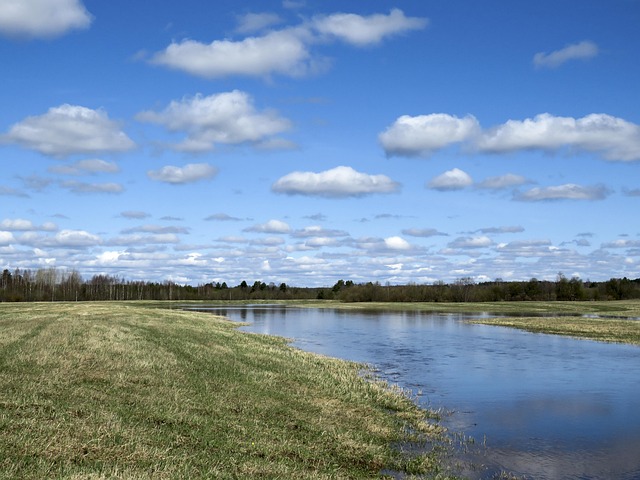
Flood insurance is crucial for homeowners, especially in high-risk areas, protecting against financi…….

Real estate professionals must comprehend flood risk to guide clients effectively. Mandatory for hig…….

Real estate professionals must comprehend flood risk to protect property values and meet legal oblig…….

Flood insurance is crucial for real estate sellers in flood-prone areas, protecting investments and…….

Flood insurance is vital protection for homeowners in high-risk areas, covering property and belongi…….
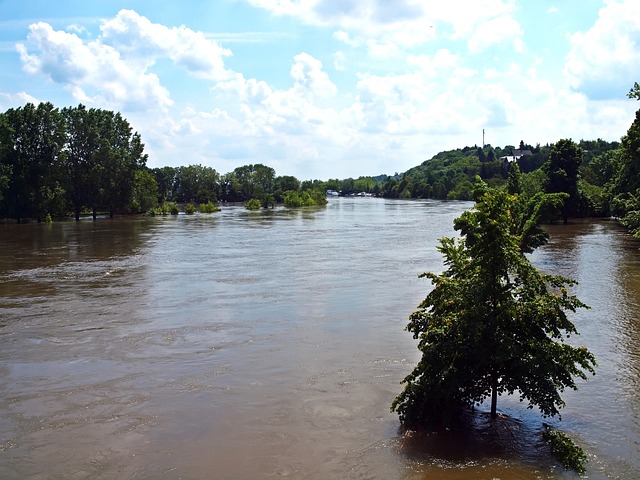
Understanding flood risk is vital for real estate, impacting property values and financial protectio…….

Flood risk assessment is crucial for first-time homebuyers. Key factors include proximity to water b…….
Real estate professionals must understand local hydrology and climate change impacts on flooding ris…….