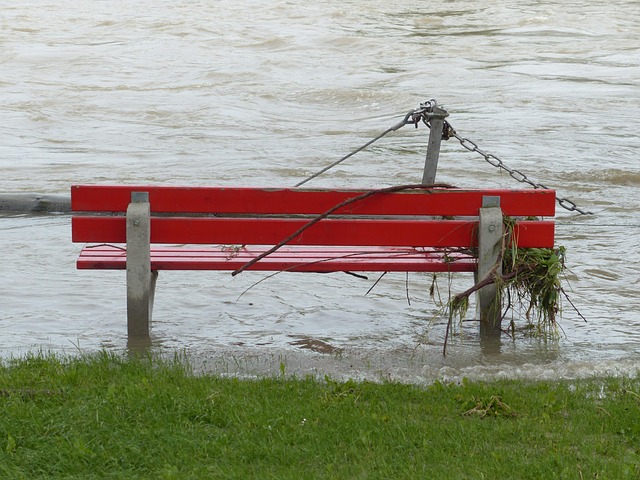








Homeowners, especially sellers, need to understand flood risk, crucial for obtaining flood insurance. Properties near water bodies or low-lying areas are vulnerable, with climate change intensifying storms. Assess vulnerability through historical data, local patterns, and topography. Flood insurance covers building, contents, and living expenses. Lenders mandate it in high-risk areas. Sellers must disclose flood hazards transparently, enhancing buyer confidence. Flood insurance protects property value, buyer interests, and fosters trust in real estate transactions.
In the realm of real estate transactions, flood insurance stands as a vital component, especially with the increasing frequency and severity of flooding events globally. For sellers, navigating this aspect can be a complex and often overlooked challenge. This comprehensive guide aims to dispel any ambiguity surrounding flood insurance, offering sellers a detailed roadmap to ensure a smooth process. We’ll explore the intricacies of this coverage, its benefits, and how it can protect both the seller and the buyer, ultimately facilitating a secure and successful sale.
Understanding Flood Risk: Assess Your Property's Vulnerability

Understanding Flood Risk: Assess Your Property’s Vulnerability
Floods are among the most common and devastating natural disasters, causing substantial property damage and disrupting communities. For homeowners, especially those looking to sell, understanding the flood risk associated with their property is crucial. This involves a meticulous assessment of the property’s vulnerability to flooding, which is a critical step in the process of obtaining flood insurance. Remember, flood insurance isn’t just for properties in high-risk areas; it’s a necessity for anyone living in a flood-prone region, as standard homeowners insurance typically does not cover flood damage.
Assessing flood risk begins with examining the property’s location. Factors like proximity to rivers, lakes, or other bodies of water, as well as the elevation of the land, play a significant role. For instance, properties located in low-lying areas or within a certain distance from these water bodies are more susceptible to flooding. Data from the National Flood Insurance Program (NFIP) reveals that over 20% of properties in the U.S. are at risk of flooding, highlighting the widespread concern. Moreover, climate change is exacerbating the situation, with more intense storms and rising sea levels increasing the likelihood of flooding events.
To evaluate your property’s specific vulnerability, consider historical flood data, local weather patterns, and topography. Have there been previous flooding incidents in your neighborhood? What is the typical intensity and frequency of storms in your area? Topographical features like hills or valleys can influence water flow, making some properties more at risk during heavy rainfall. By thoroughly analyzing these factors, homeowners and sellers can make informed decisions about flood insurance. This may involve consulting with local authorities or insurance professionals who can provide detailed insights tailored to the specific region.
Navigating Flood Insurance Policies: Coverage Options Explained

Navigating Flood Insurance Policies: Unveiling Coverage Options
When considering flood insurance for sellers, understanding the available coverage options is essential to making informed decisions. Flood insurance isn’t a one-size-fits-all policy; various components and customizations cater to diverse property needs and financial comfort levels. Policyholders should scrutinize these aspects, especially in regions prone to flooding, to ensure adequate protection.
Coverage options under flood insurance typically include Building, Contents, and Additional Living Expenses (ALE). Building coverage protects the physical structure of your property from damages caused by floods, while Contents coverage safeguards personal belongings, furniture, and fixtures within. ALE, on the other hand, compensates for temporary living expenses if you must relocate due to a flood-related event. For instance, policies might offer up to 20% of your annual policy limit for ALE, providing financial relief during repairs or rebuilding.
Flood insurance borrower requirements vary based on location and lender mandates. In high-risk areas, lenders often mandate comprehensive flood coverage as a condition of mortgage approval. Policyholders can customize their plans by selecting specific coverages and deductibles, balancing risk mitigation with premium affordability. It’s crucial to review policy fine print and consult experts for tailored advice, ensuring you’re fully prepared for potential flooding events while adhering to borrower obligations.
The Role of Sellers: Disclosing Flood Hazards to Buyers

Selling a property involves more than just finding eager buyers; it’s about ensuring transparency and providing all relevant information to foster trust. When it comes to potential flood hazards, sellers play a crucial role in disclosing these risks to buyers, which is an essential aspect of responsible real estate transactions. Flood insurance, naturally, becomes a central topic in this conversation, as it protects both the seller and buyer against financial loss due to flooding.
Sellers must be aware that many buyers are now aware of their rights regarding flood zones and are more proactive about obtaining flood insurance as part of the loan process. According to recent data, over 90% of home loans in high-risk areas include flood insurance, indicating a significant shift in buyer behavior. This change underscores the importance of sellers being forthcoming about any known or potential flood hazards on the property. Disclosing these risks can help buyers make informed decisions and obtain the appropriate flood insurance borrower requirements, which are crucial for their financial protection. For instance, if a seller knows of past flooding events or lives in a zone prone to riverine or coastal flooding, they should communicate this openly, enabling buyers to assess the situation accurately.
Transparency also helps prevent legal issues down the line. Sellers who fail to disclose significant flood risks may face legal repercussions and financial liability if a buyer suffers losses due to unforeseen flooding. To ensure compliance and protect both parties, sellers should consult local real estate regulations and consider obtaining a comprehensive property assessment that includes flood risk analysis. This proactive approach not only facilitates smoother sales but also encourages buyers to view properties with a clear understanding of potential risks, fostering a more honest and successful real estate market.
Protecting Your Investment: How Flood Insurance Benefits Sellers

Flood insurance is an essential component of protecting your investment as a seller, especially in regions prone to flooding. This type of insurance offers peace of mind by covering potential damages to your property and its value. When you list your home for sale, buyers will often require flood insurance as part of the borrower requirements, making it a critical aspect of the transaction. This insurance isn’t just about financial protection; it demonstrates to prospective buyers that you, as the seller, prioritize ensuring their investment is secure.
For instance, consider a seller in a coastal area where flooding is a periodic occurrence. Without flood insurance, a significant deluge could result in substantial repairs, reducing the property’s resale value. However, with this insurance in place, the seller can mitigate these risks. In the event of flooding, the insurance policy will step in, covering restoration costs, up to the policy limits, ensuring the property retains its market value. According to recent studies, areas with access to flood insurance see higher property values post-disaster, highlighting its pivotal role in recovery and reinvestment.
Implementing flood insurance as part of the sales process also fosters trust between you and potential buyers. It communicates your commitment to transparency and fairness in the transaction. Furthermore, having this insurance can make your property more attractive to lenders, who often prefer to insure their investments. This three-way relationship—sellers, buyers, and lenders—benefits everyone involved, ensuring that the sale proceeds smoothly and that everyone’s interests are protected. By understanding and prioritizing flood insurance borrower requirements, sellers can ensure a seamless and secure real estate transaction.