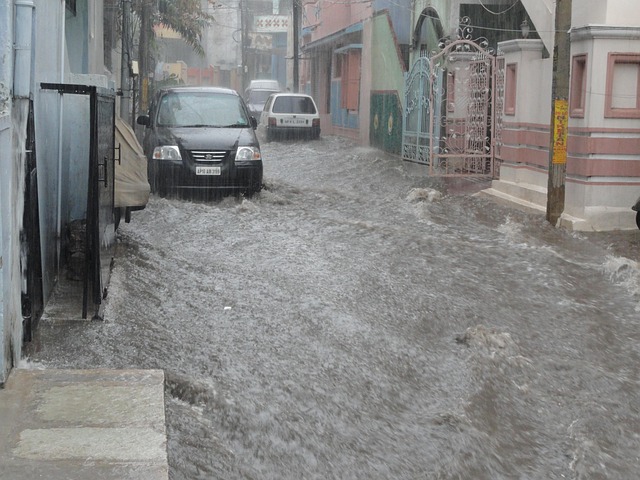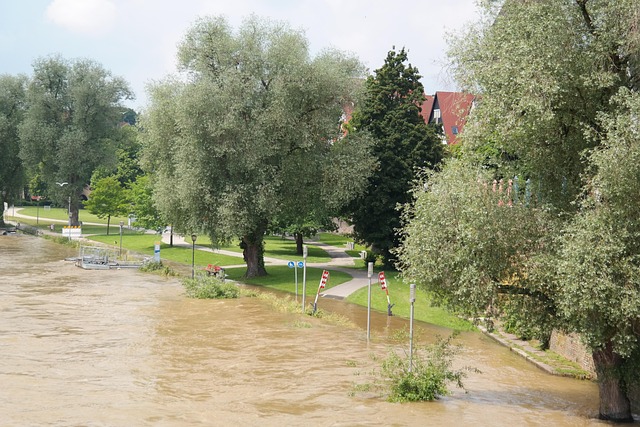








Flood insurance is vital for homeowners in high-risk zones, protecting against damage excluded from standard policies. Lenders mandate it for SFHAs. Key components include structural coverage, personal belongings, and understanding deductibles, limits, and exclusions. Location-specific risks determine policy types (property or FP). Adequate coverage (90% of home value) protects financial future. Claims process involves immediate notification and documentation. Understanding NFIP standards ensures minimal damage and streamlined claims.
In a world where extreme weather events are becoming increasingly frequent, understanding flood insurance has become paramount for homebuyers. Floods pose one of the most common yet underinsured risks in many regions, leaving countless property owners vulnerable to financial ruin. This comprehensive guide aims to demystify the intricacies of flood insurance, offering an authoritative overview tailored for savvy buyers. We’ll navigate the challenges of high-risk areas, explain policy types and coverage options, and empower readers with knowledge to make informed decisions. By the end, you’ll be equipped to protect your investment and safeguard against the devastating impact of floods.
Understanding Flood Insurance: What It Covers

Flood insurance is a crucial component of homeownership for those living in areas prone to flooding. Understanding what flood insurance covers is essential for buyers navigating this often complex and little-understood aspect of protecting their investment. In essence, flood insurance provides financial protection against damage caused by floods, which are typically not covered by standard homeowners insurance policies. This specialized coverage is particularly vital for borrowers in high-risk zones who face the potential for significant losses due to flooding events.
When it comes to what flood insurance covers, the scope can vary depending on the specific policy and location. However, a comprehensive flood insurance policy generally includes protection for structural elements of a home, such as the building itself, its foundation, and any permanent fixtures. This coverage extends to essential appliances like water heaters, furnaces, or air conditioners that are permanently installed. Additionally, policies often include reimbursement for personal belongings damaged or destroyed during a flooding event, offering peace of mind for borrowers with valuable possessions. For example, items like furniture, clothing, electronics, and even irreplaceable family heirlooms can be covered if they meet the policy’s requirements.
One key aspect to consider is the flood insurance borrower requirements. Lenders often mandate flood insurance for properties located in special flood hazard areas (SFHAs), as identified by federal or local agencies. These areas are prone to flooding, and lenders ensure that borrowers have adequate protection through mandatory flood insurance policies. Homebuyers should be aware of these requirements to avoid potential issues during the loan application process. For instance, a study by the National Association of Realtors revealed that about 20% of home purchases in high-risk zones were not adequately insured against flooding, highlighting the importance of understanding and adhering to borrower obligations.
To ensure comprehensive coverage, borrowers should review their policy documents carefully. Understanding deductibles, coverage limits, and exclusions is essential. For instance, certain events like flash floods or mudslides might be excluded from standard policies, so additional coverage may be necessary. By staying informed about what flood insurance covers and proactively managing their borrower requirements, homeowners can safeguard their investments and mitigate the financial impact of potential flooding events.
Who Needs Flood Insurance and Why
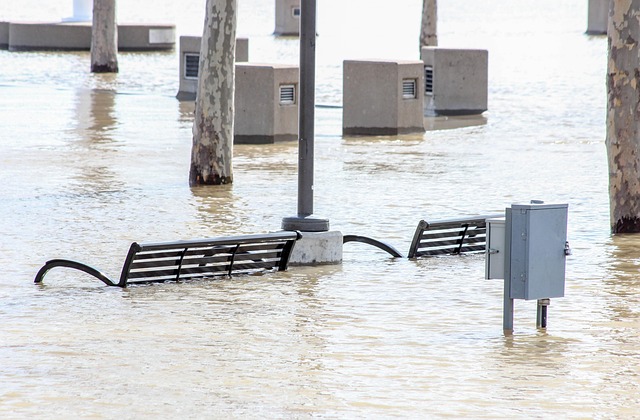
Flood insurance is often an overlooked yet crucial aspect of homeownership, especially for those in low- to moderate-risk areas. While it may seem like an additional financial burden, flood insurance is a necessary safety net for borrowers facing the potential devastation and cost overruns associated with flooding. Understanding who needs this coverage and why is essential for any prospective buyer navigating the complexities of real estate transactions.
For instance, consider regions historically prone to seasonal floods or areas newly identified as high-risk due to climate change. According to the National Flood Insurance Program (NFIP), millions of Americans live in flood-prone zones, with over 14 million properties at risk of flooding. Many homeowners and borrowers underestimate their exposure until it’s too late. Flood insurance borrower requirements are set by the NFIP, ensuring that coverage is accessible and affordable for those in need. These requirements mandate specific policies tailored to individual locations, reflecting local flood risks, thus emphasizing the importance of this coverage regardless of perceived risk levels.
The reasons for acquiring flood insurance go beyond mere property protection. Lenders typically require flood insurance as part of their loan packages when purchasing a home in a designated flood zone. This requirement ensures that borrowers are financially prepared to mitigate potential losses and maintain their investment. Moreover, flood insurance can help buyers avoid substantial out-of-pocket expenses associated with repairs or rebuilding efforts post-flooding events, providing peace of mind and financial stability. By understanding the necessity and benefits of flood insurance, prospective buyers can make informed decisions, ensuring they are adequately protected against this often-overlooked yet significant risk.
Types of Flood Insurance Policies Explained
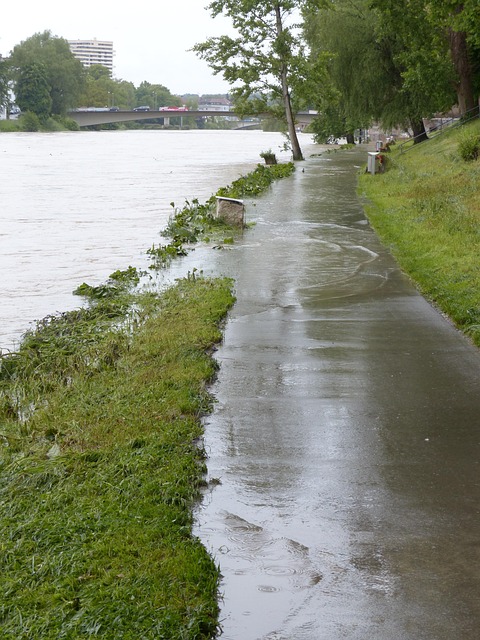
Flood insurance is an essential component of homeownership, particularly for buyers navigating areas prone to flooding. Understanding the various types of flood insurance policies available is crucial for any prospective buyer. These policies are designed to protect homeowners and their investments from the devastating financial impact of flood events. Flood insurance naturally isn’t just about financial protection; it’s a safety net that ensures individuals can recover and rebuild after a flood strikes.
There are two primary types of flood insurance policies: Property Insurance and Flood Insurance Policy (FP). Property insurance, often included in homeowners’ policies, covers damage to the physical structure of your home and personal belongings up to specific limits. However, standard property insurance typically excludes flooding as a covered cause of loss. This is where a dedicated flood insurance policy comes into play. The FP provides coverage for direct physical damage caused by flooding, including water intrusion from broken pipes or sewers, storm surges, and more. It’s tailored to address the unique borrower requirements related to flood risks.
For instance, in regions like coastal areas or low-lying valleys with a history of flooding, borrowers often face higher risk assessments. Lenders typically require these individuals to purchase flood insurance as a condition of their mortgage. According to data from FEMA, over 13 million people in the US live in high-risk flood zones. Borrowers in such areas should opt for an FP that offers adequate coverage based on their specific location and potential risks. Additionally, understanding the different policy terms and deductibles is vital. Policyholders can choose between a named storm coverage, which covers specific storms, or all-risks coverage, providing broader protection. Regular review of these policies is essential to ensure they align with evolving borrower requirements and changing flood patterns.
How to Get the Best Coverage for You
Getting the best flood insurance coverage is crucial for buyers looking to protect their investment. As a borrower, understanding your specific needs and navigating the complexities of flood insurance policies is essential. This involves assessing potential risks, comparing different policy options, and ensuring adequate coverage limits. One key aspect is recognizing that not all flood insurance policies are created equal; they vary in terms of deductibles, coverage amounts, and exclusions. For instance, a standard policy might exclude flooding from heavy rainfall or snowmelt, while a flood insurance policy through the National Flood Insurance Program (NFIP) could cover these events.
To get the best coverage for you, start by evaluating your location’s flood risk. Check if your property is in a special flood hazard area as designated by the NFIP. This information is readily available on their online maps. Based on this assessment, decide on an appropriate coverage level. Homeowners often opt for policies that cover up to 90% of their home’s value, while renters usually choose options that cover personal belongings and living expenses during repairs. For example, a policy covering $250,000 in property damage with a $1,000 deductible could be suitable for a borrower with substantial assets.
Additionally, review the flood insurance borrower requirements set by lenders and regulatory bodies. These requirements ensure that borrowers have adequate protection. Lenders may mandate specific coverage amounts and types depending on the loan size and location. For instance, if you live in a high-risk area, your lender might insist on a policy with higher coverage limits and lower deductibles. Always communicate openly with your lender about these policies to avoid any issues during the borrowing process. Remember that understanding your flood insurance options and meeting borrower requirements are vital steps toward safeguarding your financial future in flood-prone areas.
Claims Process and Common Flood Insurance Myths

Flood insurance is an essential component of homeownership for borrowers living in flood-prone areas. Understanding the claims process and dispelling common myths can empower buyers to make informed decisions about this critical coverage. When a flood strikes, knowing how your policy protects you can be invaluable. The claims process typically begins with immediate notification to your insurance provider, followed by documenting the damage, submitting a claim form, and providing supporting evidence. Timely filing is crucial; most policies require notification within a specific timeframe after the flood.
One common myth is that flood insurance claims are complex and time-consuming. While thorough documentation is essential, many insurers offer streamlined digital processes for filing and tracking claims. Additionally, some policies include provisions for temporary housing and living expenses during the restoration period, providing much-needed relief for borrowers. Another misconception is that only those in high-risk zones need flood insurance. In reality, anyone living in a community participating in the National Flood Insurance Program (NFIP) is required to purchase flood coverage as part of their mortgage, underscoring its universality.
Flood insurance borrower requirements vary but generally involve meeting NFIP standards for building and renovation practices to minimize damage. These requirements ensure that structures are built or modified to withstand potential flood events, protecting both the home and the borrower’s investment. Understanding these processes and proactive measures can help borrowers navigate the complexities of flood insurance with confidence, ensuring they’re adequately protected in case of unexpected water-related disasters.