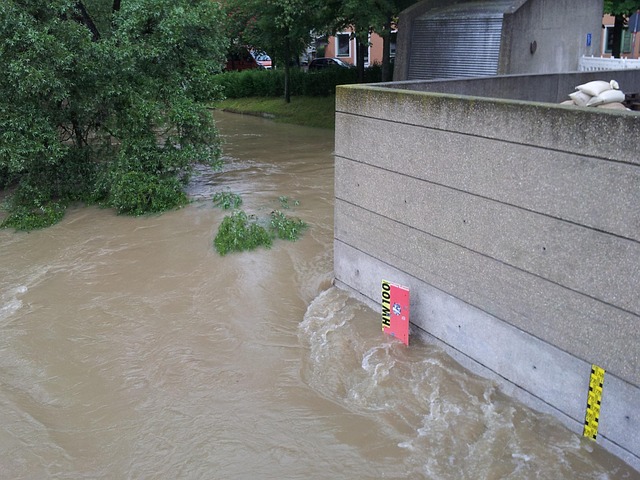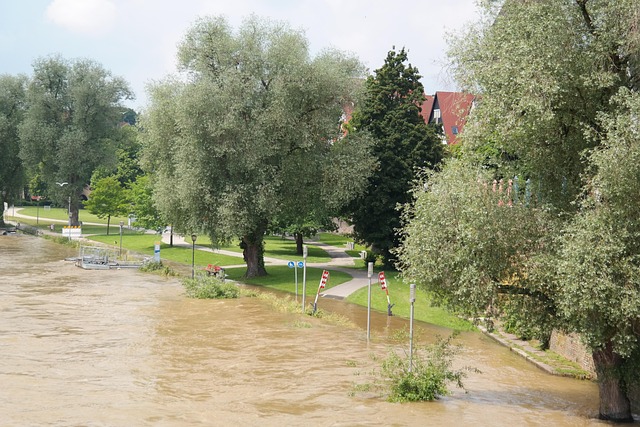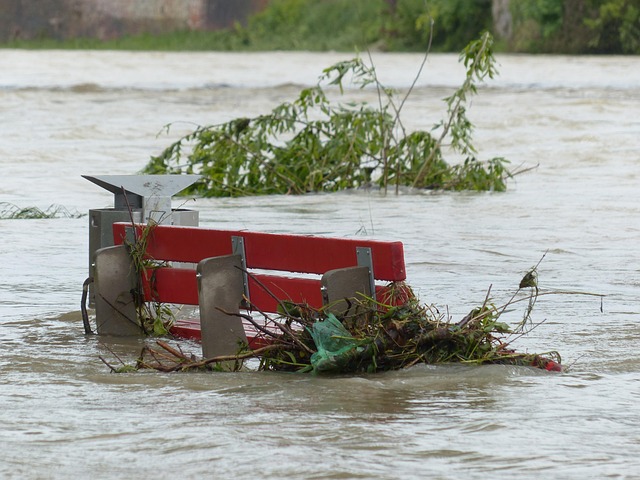








Real estate professionals must comprehend flood risk to protect property values and meet legal obligations. Flood insurance is critical for financial protection against losses not covered by standard home insurance. Key considerations include varied borrower requirements, thorough risk assessments, policy comparison, comprehensive coverage, and regular updates based on changing properties and risks. Climate variability necessitates proactive flood preparedness, including understanding zoning regulations and staying updated with Flood Insurance Rate Maps (FIRMs). Effective strategies enhance community security and professional reputation.
In the dynamic landscape of real estate, flood insurance stands as a critical component for professionals navigating the complexities of property transactions. As climate change intensifies storm events, understanding flood insurance is no longer optional—it’s imperative. The current absence of comprehensive guidance leaves many agents and brokers grappling with this crucial aspect, often resulting in misunderstandings that can impede deals or expose clients to undue risks. This article serves as a professional guide, offering deep insights into flood insurance, its intricacies, and best practices for real estate professionals. Our goal: empower you with the knowledge to confidently guide clients through this vital coverage process.
Understanding Flood Risk in Real Estate

Understanding Flood Risk is a critical component for real estate professionals, as it impacts property value, marketability, and legal obligations. According to the National Oceanic and Atmospheric Administration (NOAA), nearly half of all natural disasters in the U.S. are related to flooding, making it a significant risk factor for investors and developers alike. Flood insurance, naturally, plays a pivotal role in mitigating this risk. It provides financial protection for property owners and lenders against losses stemming from flood events, a coverage gap often not addressed by standard home insurance policies.
Evaluating flood risk involves a comprehensive analysis that goes beyond simply identifying nearby water bodies. Factors like historical flooding data, topography, soil composition, and infrastructure contribute to a property’s vulnerability. For instance, properties located in low-lying areas, near rivers or coastal zones, or on poorly drained sites are statistically more prone to flooding. Real estate professionals should utilize resources such as the FEMA Flood Map (EFD) to assess these risks. This data allows for informed decision-making regarding development, zoning, and pricing strategies.
For borrowers seeking financing, understanding flood insurance borrower requirements is essential. Lenders typically mandate flood insurance for properties in high-risk areas, ensuring protection not only for the lender’s investment but also for the borrower’s ability to repay their loan. The scope of coverage varies among providers, so professionals should guide clients in selecting policies that align with their needs and budget while meeting minimum federal standards. Staying abreast of evolving flood mapping data and regulatory changes related to flood insurance is crucial for providing accurate advice and ensuring compliance.
Navigating Flood Insurance Policies and Coverage

Navigating flood insurance policies and coverage is a critical aspect of responsible real estate practices. As professionals, understanding these intricacies ensures clients are adequately protected against one of nature’s most unpredictable forces. Flood insurance, though often overlooked, plays a pivotal role in mitigating financial risks associated with properties located in flood-prone areas. It’s not merely about having coverage; it involves comprehending various policy provisions and selecting the right level of protection for each unique property.
A key component in this process is recognizing that flood insurance borrower requirements vary based on location, property type, and risk assessment. For instance, properties in high-risk zones may demand more stringent coverage, including additional policies like flood insurance for homeowners or business owners. According to the National Flood Insurance Program (NFIP), nearly 20% of claims in recent years were from areas considered low-risk, highlighting the unpredictability of flood events. This underscores the importance of a thorough risk assessment before selecting an appropriate policy. Real estate professionals can facilitate this by encouraging clients to review their insurance options with trained agents who specialize in flood coverage.
Practical advice includes encouraging borrowers to compare policies side by side, scrutinizing deductibles and coverage limits. For instance, a policy might offer higher coverage for structural damages but lower for personal belongings—a scenario where comprehensive protection is essential. Additionally, recognizing that flood insurance rates are influenced by property improvements and risk mitigation measures can empower clients to make informed decisions. Regular updates on these factors can help ensure borrowers maintain adequate coverage as their properties evolve. By integrating these insights into their services, real estate professionals not only safeguard client investments but also foster trust and confidence in the face of an often-feared natural phenomenon.
Implementing Effective Flood Preparedness Strategies
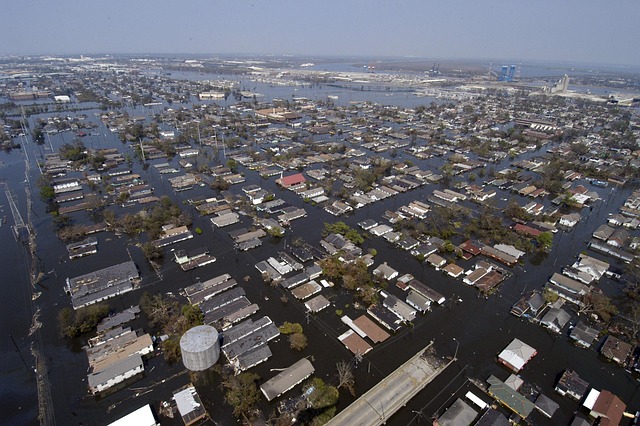
In the face of growing climate variability, real estate professionals must prioritize flood preparedness to protect their investments and serve clients effectively. Implementing robust flood insurance strategies is a cornerstone of this preparation, but it’s only one piece of the puzzle. Beyond ensuring adequate coverage, professionals have a crucial role in guiding borrowers through the complexities of flood insurance requirements, helping them understand risks, navigate claims processes, and make informed decisions about appropriate coverage levels.
Flood insurance borrower requirements extend beyond simply obtaining policies; they involve meticulous risk assessments, understanding specific zoning regulations, and staying abreast of changing Flood Insurance Rate Maps (FIRMs). For instance, a property in a previously untouched area might suddenly face heightened flood risks due to development upstream or climate change-induced sea level rise. Real estate agents and brokers must advise borrowers on these evolving dynamics, encouraging them to update their policies accordingly. This proactive approach not only protects individuals but also safeguards the financial integrity of real estate transactions.
Data from the National Flood Insurance Program (NFIP) underscores the growing importance of flood insurance preparedness. Recent studies indicate a rising number of high-risk areas and increased frequency of severe flooding events, making it imperative for both lenders and borrowers to embrace robust flood protection measures. Real estate professionals who integrate effective flood preparedness strategies into their practices will not only contribute to more secure communities but also enhance their reputation as trusted guides in an increasingly uncertain market.