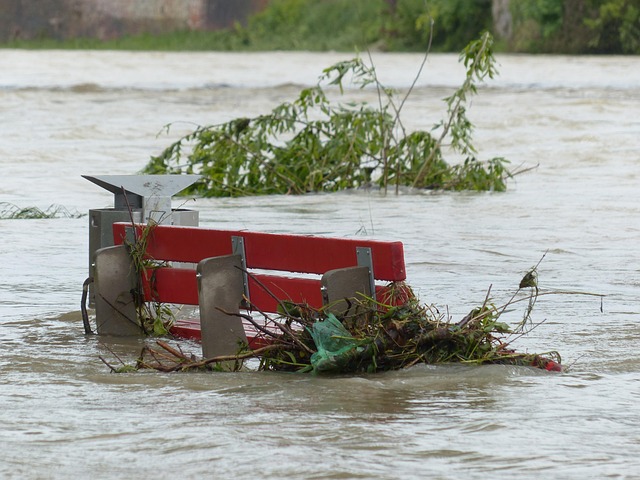








Flood insurance is essential protection for homeowners in flood-prone areas, addressing gaps left by standard policies. Lenders mandate it to safeguard investments against severe weather events exacerbated by climate change. Key considerations include understanding policy limits, deductibles, exclusions, and regional risks. Proactive review ensures informed decisions, meets lender requirements, and protects investments effectively during claims.
Floods can strike without warning, causing immense damage to homes and communities. Understanding flood insurance is crucial for buyers seeking protection against these unexpected events. The complexity of policies and terms often poses a challenge, leaving many unsure where to begin. This article provides an authoritative overview, breaking down the essentials of flood insurance in plain language. We’ll explore how this coverage works, who needs it, and dispel common misconceptions. By the end, readers will have a clear understanding of their options, empowering them to make informed decisions and safeguard their investments.
Understanding Flood Insurance Basics: A Comprehensive Guide

Flood insurance is a critical component of homeownership, especially for those living in areas prone to flooding. Understanding flood insurance basics is essential for buyers aiming to protect their investment and ensure they meet borrower requirements set by lenders. This comprehensive guide delves into the fundamentals of flood insurance, empowering buyers with knowledge to make informed decisions.
At its core, flood insurance provides financial protection against property damage caused by flooding. It’s a safety net that covers repairs or rebuilding costs when a home or belongings are affected by floodwaters. Unlike standard homeowners insurance, which typically doesn’t cover flooding, dedicated flood insurance policies fill this gap in coverage. These policies are designed to meet the unique needs of borrowers and their lenders, who often require flood insurance as part of the mortgage process. For instance, if you live in a high-risk zone, your lender might mandate flood insurance to safeguard against potential losses.
Key aspects of flood insurance include understanding coverage limits, deducible amounts, and specific exclusions or limitations. Borrowers should scrutinize policy details to ensure they align with their needs. For example, some policies may exclude certain types of flooding events or have caps on reimbursement amounts. It’s crucial for buyers to review these terms carefully, especially in regions prone to severe weather events like hurricanes or heavy rainfall, which can trigger substantial flooding. By being proactive and thoroughly understanding flood insurance basics, borrowers can make informed choices, meet lender requirements, and protect their investment with confidence.
Why Flood Insurance is Crucial for Homebuyers: Essential Coverage

Flood insurance is an essential component of homeownership for buyers living in areas prone to flooding. While it might seem like an additional expense, its significance cannot be overstated, especially for those who invest in real estate. This coverage protects homebuyers from potential financial disasters that can arise from flood events, which are becoming more frequent and severe due to climate change.
For many borrowers, especially first-time buyers, understanding the necessity of flood insurance might not be apparent until they find themselves facing a devastating loss. Floods can cause extensive damage to homes, leaving borrowers with substantial repair or reconstruction bills. Without appropriate coverage, these costs can cripple a buyer’s financial stability, potentially leading to default on their mortgage. Many lenders require buyers in high-risk areas to obtain flood insurance as a condition of financing, ensuring both the borrower and the lender are protected. This requirement underscores the critical role it plays in safeguarding not just the property but also the financial well-being of borrowers.
A good example of its importance is the impact of recent global climate patterns. According to data from the National Oceanic and Atmospheric Administration (NOAA), flooding has become more frequent, leading to billions of dollars in damage annually. Homebuyers, particularly those in coastal or low-lying areas, must recognize this growing risk. By investing in flood insurance, borrowers not only protect their homes but also gain peace of mind, knowing they are prepared for the unexpected. This proactive measure ensures that a flood event does not turn into a financial crisis, allowing homeowners to focus on recovery and rebuilding rather than insurmountable debt.
Navigating Flood Insurance Claims: Protecting Your Investment Post-Disaster

Navigating a flood after your home or property has been affected can be a challenging experience, but understanding your flood insurance policy is a crucial step in protecting your investment and ensuring a smoother recovery process. Flood insurance, an essential coverage for those living in flood-prone areas, provides financial protection against the significant damage and disruption caused by these natural disasters. This comprehensive overview aims to guide borrowers through the intricacies of flood insurance claims, empowering them with knowledge to safeguard their interests post-disaster.
When a borrower invests in a property located in a high-risk flood zone, they are required to obtain flood insurance as per federal guidelines. This policy is designed to cover direct physical loss or damage caused by floods, offering financial assistance for repairs or rebuilding efforts. The process of filing a claim starts with assessing the extent of damage and documenting it thoroughly. Borrowers should take photos and keep records of all repair estimates, ensuring they have comprehensive documentation ready to submit. It’s vital to contact your insurance provider promptly, as there may be specific notification requirements within a specified timeframe.
The flood insurance process involves several key steps: reporting the loss, submitting claims, and negotiating repairs or replacements. Borrowers should expect clear communication from their insurer regarding next actions, but proactive engagement is beneficial. Keeping detailed records and staying organized can significantly expedite the claim settlement. For instance, many policies require borrowers to use preferred contractors approved by the insurance company, ensuring repair work meets specific standards. Understanding these requirements beforehand can save time and avoid potential delays in reimbursement. Data suggests that prompt filing and clear communication with insurers often lead to faster payouts, enabling borrowers to begin rebuilding and restoring their properties more efficiently.