







Flood insurance naturally serves as a safety net for homeowners, protecting against significant financial losses from floods. Understanding NFIP standards—including risk zone designations and coverage levels—is crucial. Policies are required in high-risk areas and cover structural damage, personal belongings, and rebuilding costs. Proactive measures, like water-resistant materials and backup power, combined with adequate insurance, ensure resilience and safeguard financial futures. Evaluate policies based on location, property type, deductibles, and comprehensive coverage to align with individual needs and risk management goals.
In an era marked by increasing climate variability, the risk of floods has become a pressing concern for home buyers worldwide. Understanding flood insurance isn’t merely an option but a crucial step in safeguarding financial stability and ensuring peace of mind. This article provides an authoritative overview, demystifying the complexities and highlighting why flood insurance is a vital consideration for any prospective buyer navigating the real estate market. We’ll explore its benefits, types available, and practical implications, offering valuable insights to make informed decisions in this critical aspect of homeownership.
Understanding Flood Insurance Basics: A Comprehensive Overview

Flood insurance is an essential component of homeownership, particularly for those living in areas prone to flooding. Understanding flood insurance basics involves grasping both its purpose and its specific requirements. This comprehensive overview aims to demystify this often-overlooked aspect of protecting your investment.
Flood insurance naturally isn’t just about covering damage; it’s a safety net designed to protect homeowners from the significant financial impacts of floods. According to the National Flood Insurance Program (NFIP), an average flood claim in 2021 totaled over $74,000—a substantial sum that can cripple even well-prepared households. By purchasing flood insurance, borrowers safeguard their homes and possessions against these potential catastrophes. This is especially crucial for areas with a history of flooding or those situated near bodies of water, where even minor storms can trigger devastating surges.
For borrowers, understanding flood insurance requirements is paramount. The NFIP sets standards that lenders must adhere to when offering flood insurance. These include specific coverage levels and the availability of policies based on risk zones. Borrowers should be aware of these zones—designated as low, moderate, or high risk—as they dictate the type and amount of protection required. For instance, homes in high-risk areas often demand higher limits to compensate for the heightened flood danger. Additionally, borrowers may need to maintain their policies throughout the term of their mortgage, with renewals and potential adjustments based on changing flood maps and risk assessments.
An expert perspective emphasizes that proactive measures, coupled with adequate flood insurance, are key. Homeowners should invest in water-resistant materials, higher-than-standard bases for buildings, and even backup power sources to ensure resilience against floods. By combining these actions with appropriate coverage, borrowers can protect not only their homes but also their financial futures during uncertain environmental conditions.
Why You Need Flood Insurance: Risks & Benefits Explained

Floods are among the most common and devastating natural disasters worldwide, causing substantial property damage and disrupting communities. This underscores the critical importance of flood insurance for homeowners, which provides financial protection against these unforeseen events. While it may seem like an additional expense, flood insurance is a necessary safety net that safeguards your investment and offers peace of mind.
Every home is at risk of flooding, even those not immediately near bodies of water. According to the National Flood Insurance Program (NFIP), one in three properties in the U.S. is located in a special high-risk area prone to flooding. Moreover, flash floods can occur anywhere, especially during heavy rainfall or severe weather events. Traditional home insurance policies typically do not cover flood damage, leaving borrowers vulnerable to substantial financial losses. This is where flood insurance borrower requirements come into play—it’s a condition set by lenders for anyone securing a mortgage in a high-risk area. Without it, homeowners could face not only repair costs but also potential loan default or foreclosure.
The benefits of flood insurance far outweigh the premium cost. For instance, in 2017, Houston residents who had purchased flood insurance saw their claims processed much faster and received more compensation compared to those without coverage. This swift financial support enabled them to recover more quickly from the devastating Harvey floods. Moreover, flood insurance provides a sense of security, knowing that your investment is protected should the worst happen. It’s not just about the structure of your home; it also covers valuable belongings and personal property, ensuring you can rebuild and replace what was lost. When considering the potential costs of flooding—which can surpass hundreds of thousands of dollars—the decision to purchase flood insurance becomes a no-brainer.
Navigating Flood Insurance Policies: What to Look for and Avoid
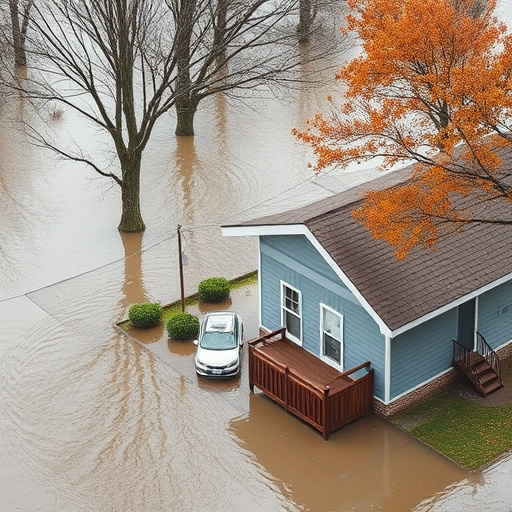
Navigating flood insurance policies is a crucial step for any buyer, especially those in areas prone to flooding. Understanding what to look for and avoid can help ensure you’re adequately protected. Flood insurance isn’t one-size-fits-all; policies vary widely based on location, property type, and coverage limits. A key factor is recognizing that not all flood insurance is created equal. Many standard home insurance policies do not cover flooding—it’s a separate policy required by federal law for anyone in a high-risk zone.
When evaluating flood insurance, start by understanding your risk level through the National Flood Insurance Program (NFIP) maps. These maps categorize areas based on their likelihood of experiencing flooding. Higher-risk zones will have more stringent borrower requirements, including higher premiums and specific coverage limits. For instance, properties in special flood hazard districts often require at least 1% of the building value in flood insurance. Additionally, checking your policy for deductibles is essential; these are the amounts you must pay out-of-pocket before insurance covers the rest. A high deductible may be appealing for lower premiums but could leave you with a significant financial burden after a flood.
Another crucial aspect to consider is coverage types and exclusions. Some policies only cover structural damage, while others include personal belongings and land improvements. Ensure your policy includes comprehensive coverage that aligns with your needs. Avoid policies with limited or vague language regarding coverage conditions and exclusions. Reviewing recent data from the NFIP can offer insights into common flooding trends in your area, helping you make informed decisions when selecting a flood insurance policy. Ultimately, working closely with an insurance broker who specializes in flood coverage can help tailor a policy that meets both your financial and risk management goals.