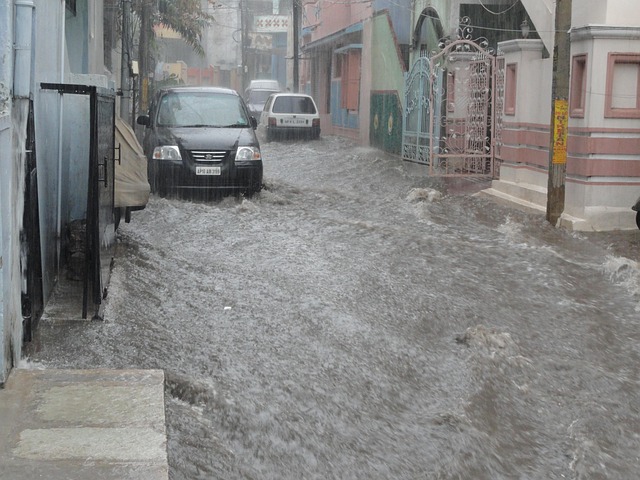








Real estate professionals must comprehend flood risk to guide clients effectively. Mandatory for high-risk areas, flood insurance protects properties and lenders from catastrophic losses. Assessing topography, historical data, and climate change is crucial. Agents educate buyers on financial protection, peace of mind, and rebuilding costs. Policy changes and industry trends demand updated guidance. Even outside high-risk zones, FEMA estimates 20% flood risk for all U.S. properties. Lenders mandate it for moderate- to high-risk areas, with policy coverage varying widely. Real estate pros assist borrowers in reviewing details for informed decision-making.
In the dynamic realm of real estate, understanding flood insurance is not a mere nicety but an indispensable tool for professionals navigating complex transactions. With natural disasters increasingly disrupting communities worldwide, ensuring comprehensive coverage has become a cornerstone of responsible property management. However, deciphering the intricacies of flood insurance can be a formidable task, often shrouded in confusion and misperceptions. This guide aims to demystify this critical aspect, offering a professional’s perspective on flood insurance—its purpose, types, benefits, and practical implications for real estate professionals seeking to protect their investments and clients’ interests.
Understanding Flood Risk for Real Estate

Understanding flood risk is a crucial aspect of real estate practice, as it significantly impacts property values, market trends, and client decisions. In many regions, flood insurance has become an indispensable component of responsible lending and homeownership. Lenders are increasingly mandating flood insurance for borrowers in high-risk areas to mitigate financial exposure and ensure protection against catastrophic losses. According to the National Flood Insurance Program (NFIP), over 20% of U.S. properties are located in special flood hazard areas, emphasizing the widespread relevance of this issue.
Real estate professionals must be adept at assessing flood risks accurately. This involves scrutinizing local topography, historical flooding data, and climate change projections to identify potential vulnerabilities. For instance, properties near rivers or coastal zones are inherently more susceptible to floods. By integrating these insights into their analyses, agents can advise buyers on the financial implications and help them make informed choices. Moreover, understanding the specific flood insurance borrower requirements is vital. These typically include thorough property assessments, evidence of flood risk mitigation measures, and adherence to local building codes designed to enhance resilience.
When working with borrowers, professionals should educate them about the benefits of flood insurance. This includes not only financial protection but also peace of mind. Many homeowners face substantial rebuilding costs and prolonged displacement when floods occur. By emphasizing these aspects, agents can foster a deeper appreciation for the role of flood insurance in their clients’ financial strategies. Additionally, staying abreast of policy changes and industry developments ensures that real estate professionals provide up-to-date guidance to their borrowers, especially those in areas with evolving flood risk profiles due to urbanization or environmental shifts.
Navigating Flood Insurance Policies and Coverage

Navigating flood insurance policies and coverage is a critical aspect of responsible real estate practices. As properties in low- to moderate-risk areas may still face significant flood damage, understanding the nuances of these policies is essential for both agents and borrowers. Flood insurance, naturally, plays a pivotal role in mitigating financial risks associated with such events.
Experts recommend that all homeowners, regardless of their location, consider flood insurance as part of their comprehensive risk management strategy. The Federal Emergency Management Agency (FEMA) estimates that nearly 20% of properties located outside high-risk zones have some level of flood risk. This underscores the importance of proactive measures in preparing for potential losses. Borrowers, in particular, should be aware of their responsibilities and rights regarding flood insurance requirements. Lenders typically mandate flood insurance for properties situated in moderate- to high-risk areas, ensuring that investments are protected.
Policy coverage can vary widely between providers, with some offering basic protection while others provide comprehensive options. Standard policies generally cover structural damage and certain personal belongings but may exclude valuable items like collectibles or business equipment. Real estate professionals should assist borrowers in reviewing policy details, such as deductibles, coverage limits, and specific exclusions, to ensure alignment with their needs. For instance, a borrower investing in a historic property might require specialized coverage for preservation-related damages not included in standard policies. By understanding these nuances, agents can offer valuable guidance, facilitating informed decision-making and ensuring peace of mind for clients navigating the complexities of flood insurance.
Implementing Strategies with Flood Insurance

Implementing strategies with flood insurance is a critical step for real estate professionals aiming to protect both properties and buyers. In regions prone to flooding, integrating flood insurance into your risk management plan isn’t just recommended; it’s essential. According to the National Oceanic and Atmospheric Administration (NOAA), over 10% of U.S. landmass is at risk of flooding, highlighting the urgency for proactive measures.
One of the key considerations in implementing flood insurance is understanding the borrower requirements. Lenders typically mandate flood insurance for properties located in high-risk areas as defined by the Federal Emergency Management Agency (FEMA). This requirement extends to mortgages and loans secured by real estate. For instance, in 2021, FEMA’s maps updated nearly 30% of the country’s flood zones, underscoring the dynamic nature of flood risk and the need for up-to-date insurance coverage. Real estate professionals should advise clients on securing appropriate coverage that aligns with these requirements to avoid financial vulnerabilities post-transaction.
Practical insights reveal that integrating flood insurance into your sales process can be seamless. Many lenders offer streamlined applications, making it easier for both borrowers and agents to navigate. Additionally, providing resources like FEMA’s Flood Map Service can empower buyers to assess their risk proactively. For example, a buyer considering a property in an area previously deemed low-risk but later mapped as high-risk can take immediate action to secure adequate flood insurance, averting potential surprises after closing.
Expert perspective suggests that real estate professionals should become well-versed in local flood zone designations and the implications for borrowers. This knowledge enables agents to offer valuable guidance, ensuring clients understand their insurance obligations and making informed decisions. By embracing these strategies, you not only facilitate a smoother transaction process but also foster trust and demonstrate your commitment to clients’ long-term protection.