







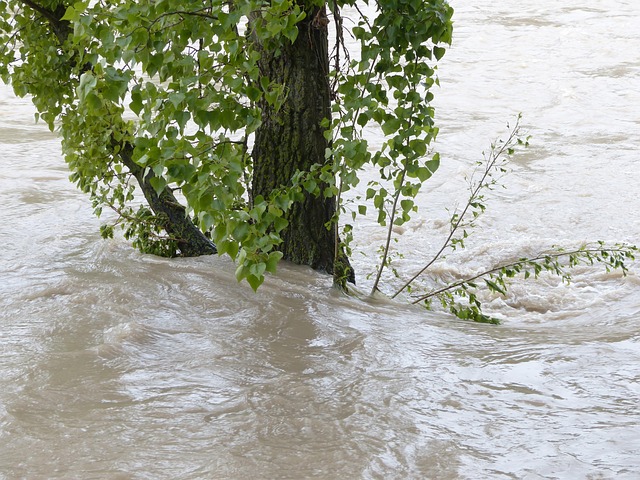
Flood insurance is crucial for sellers in high-risk areas, protecting against water damage affecting 90% of U.S. counties. Lenders mandate it to safeguard interests, offering financial security. Claims handling involves documenting damage and submitting detailed claims while understanding policy terms for informed decision-making. Proactive measures ensure asset protection, facilitate transactions, and provide buyer peace of mind.
In a world where natural disasters can strike without warning, ensuring adequate protection for your property is paramount, especially for homeowners facing potential losses. This article delves into the critical aspect of flood insurance for sellers, providing an authoritative guide to navigating this complex yet essential coverage. Floods are among the most common and destructive forces of nature, leaving devastating remnants that can disrupt lives and communities. Understanding flood insurance isn’t merely a precautionary measure but a strategic move to safeguard your investment and future financial security. By exploring the intricacies of this policy, sellers can make informed decisions, ensuring they’re prepared for any watery surprises that may lie ahead.
Understanding Flood Insurance Basics for Sellers

For sellers navigating the real estate market, understanding flood insurance basics is crucial to a successful transaction. Flood insurance isn’t just an add-on—it’s a necessary component for protecting both the seller and buyer’s significant investment in a property. Located near bodies of water or in low-lying areas, homes are at risk from unexpected flooding events that can leave devastating financial consequences.
Flood insurance provides coverage for damage caused by floodwaters, which is often excluded from traditional home insurance policies. The National Flood Insurance Program (NFIP), administered by the Federal Emergency Management Agency (FEMA), offers this protection through a range of policy options tailored to individual needs. Sellers should familiarize themselves with these offerings, especially if their property lies within a designated Special Flood Hazard Area (SFHA). A key aspect to grasp is that flood insurance is based on risk assessment and property location, so rates vary widely depending on factors like proximity to water, elevation, and building construction.
Understanding the flood insurance borrower requirements is equally vital for sellers. These requirements ensure that homes meet specific safety standards to minimize flood risks. For instance, reinforcing walls, elevating electrical systems, and installing waterproof barriers can all contribute to a property’s flood-resilience and potentially impact insurance affordability. Sellers should consult with agents, lenders, and insurance professionals to assess these needs and secure the appropriate coverage. By proactively addressing flood insurance basics, sellers can protect their assets, facilitate smoother transactions, and offer buyers peace of mind in an increasingly unpredictable climate.
Why Flood Insurance is Crucial for Property Sellers

For property sellers, especially those in areas prone to flooding, understanding the significance of flood insurance is paramount. While it might not be the most glamorous aspect of real estate transactions, this coverage plays a crucial role in protecting both the seller’s investment and their financial stability. Flood insurance isn’t merely an added perk; it’s a necessary step that can make all the difference in mitigating risks associated with unforeseen water damage.
Consider this: according to recent data, over 90% of U.S. counties are at risk of flooding. This statistic underscores the reality that buyers and sellers alike must be proactive about flood insurance. For instance, a seller in a historically flooded area might face significantly higher costs for repairs if their property suffers water damage without adequate coverage. Moreover, failing to offer this protection could deter potential buyers who prioritize safety and financial peace of mind.
The importance of flood insurance becomes even more evident when we look at borrower requirements. Lenders typically mandate flood insurance for properties located in high-risk zones. This is a standard practice designed to protect not only the lender’s interest but also to ensure borrowers have the financial support needed to recover from potential losses. Sellers, therefore, must be prepared to demonstrate compliance with these requirements to facilitate a smooth transaction process.
In conclusion, flood insurance isn’t just about protecting against physical damage; it’s about demonstrating responsible stewardship and ensuring a secure real estate transaction. By understanding and prioritizing this coverage, sellers can contribute to a more robust and resilient property market while safeguarding their own financial well-being.
Navigating Claims: Protecting Your Investment with Flood Insurance

Navigating Claims: Protecting Your Investment with Flood Insurance
When it comes to protecting your investment, flood insurance is an essential component for sellers in flood-prone areas. As a seller, understanding how this insurance works and its role in managing claims is crucial. Flood insurance offers financial security against potential losses, ensuring that the significant investment in real estate isn’t left vulnerable to nature’s unpredictable events. The process begins with assessing your property’s risk and obtaining coverage that aligns with your borrower requirements. Lenders often mandate flood insurance for properties located in high-risk zones, emphasizing its importance in mitigating financial risks.
Claims handling is a critical aspect of flood insurance. In the event of a flood, policyholders should be prepared to follow specific steps to ensure a smooth claims process. These include documenting damage, securing necessary repairs, and submitting a detailed claim. Insurers typically conduct assessments to determine coverage eligibility and the scope of repair works. Prompt action is vital; according to recent studies, early claims filing can significantly expedite settlement times and provide much-needed relief for property owners.
To maximize the benefits of flood insurance, sellers should carefully review their policy terms. Understanding coverage limits, deductibles, and exclusions empowers informed decision-making. For instance, policies may differ in terms of what’s considered permanent or temporary repairs, affecting reimbursement amounts. By being proactive and familiarizing themselves with these details, sellers can effectively protect their investments and ensure a seamless claims experience should the unexpected occur.