





First-time homebuyers need to understand flood risk and acquire appropriate flood insurance. Key steps include:
– Researching property's vulnerability based on proximity to water, elevation, and historical data.
– Consulting local maps, agents, or professionals for risk assessments.
– Reviewing policy coverage, deductibles, exclusions, and waiting periods.
– Understanding government programs like NFIP that mandate flood insurance in high-risk areas.
– Regularly reviewing policies based on property changes and life events.
– Navigating claims efficiently post-flood: assess damage, notify insurer, cooperate with adjusters, and sign documents.
– Debunking myths about flood insurance's necessity and scope.
In a world where extreme weather events are becoming increasingly frequent, understanding the importance of flood insurance for first-time homebuyers cannot be overstated. Floods pose significant risks to properties, often leading to substantial financial losses. Many new homeowners underestimate these dangers, only realizing their vulnerability when it’s too late. This article serves as a comprehensive guide, aiming to demystify the complex landscape of flood insurance. We’ll break down essential concepts, clarify common misconceptions, and provide actionable steps to help first-time buyers make informed decisions, ensuring they are adequately protected in case of unforeseen floods.
Understanding Flood Risk: Assessing Your Location

Understanding Flood Risk: Assessing Your Location is a critical step for first-time homebuyers looking to secure flood insurance. Every property sits within a unique environmental context that dictates its vulnerability to flooding events. While national maps can offer broad guidelines, they don’t capture local nuances essential for accurate risk assessment. As you explore potential homes, consider factors like proximity to water bodies (rivers, lakes, oceans), elevation, and historical flood data.
For instance, a property situated in a low-lying area near a river is significantly more at risk than one perched on higher ground. According to the National Flood Insurance Program (NFIP), areas within 100 feet of major rivers are considered high-risk zones, mandating certain flood insurance requirements for borrowers. Even properties farther away can be impacted during severe storms and flash floods. Reviewing local maps and consulting with real estate agents or insurance professionals can provide valuable insights into specific risks associated with a given location.
Analyzing historical data is also crucial. Check if your desired neighborhood has experienced flooding in the past, either from rivers bursting their banks or intense rainfall events. Some regions may have a history of sporadic flooding while others remain relatively untouched. This information guides your conversation with lenders and underwriters who will assess your flood insurance borrower requirements based on these risk factors. Remember, understanding your specific location is key to making informed decisions about protecting your investment through adequate flood insurance coverage.
Deciphering Insurance Policies: What to Look For

When purchasing a home, especially in areas prone to flooding, understanding flood insurance is crucial. Deciphering insurance policies can seem daunting, but it’s essential for homeowners to know what they’re getting into. This guide aims to demystify flood insurance, focusing on key aspects borrowers should scrutinize.
First-time buyers often overlook the intricacies of their policy coverage and deductibles. It’s important to read beyond the fine print and understand the scope of protection offered. For instance, not all policies cover structural damage; some may only compensate for personal belongings lost due to flooding. Borrowers should ensure their policy aligns with local flood risk assessments, as these determine specific areas at high risk. Additionally, understanding the flood insurance borrower requirements is vital. Lenders typically mandate flood insurance for properties in high-risk zones, and these policies can vary widely between providers.
A close examination of policy limitations is equally critical. Many standard policies exclude coverage during certain events like heavy rainfall or storm surges not classified as floods by local authorities. Moreover, waiting periods before coverage kicks in after a claim—often 30 days—can leave homeowners vulnerable during initial flood events. By being proactive and thoroughly reviewing these aspects, borrowers can make informed decisions, ensuring their investment is adequately protected. This approach allows for a clearer understanding of flood insurance policies, empowering homeowners to navigate this crucial aspect of homeownership with confidence.
The Role of Government Programs in Flood Protection
The role of government programs in flood protection is a crucial aspect often overlooked by first-time homebuyers navigating the complexities of flood insurance. These programs, designed to safeguard communities and minimize financial burdens, play a significant part in mitigating risks associated with high-risk areas. One prominent example is the National Flood Insurance Program (NFIP), administered by the Federal Emergency Management Agency (FEMA). The NFIP offers flood insurance to homeowners, renters, and businesses in participating communities, ensuring they have protection against potential losses. This program is especially vital for buyers in regions prone to flooding, as it provides a safety net that private insurers might not cover or charge exorbitantly.
Understanding the specific flood insurance borrower requirements is essential for first-time buyers. The NFIP, for instance, mandates that property owners in high-risk zones obtain flood insurance as a condition of their mortgage. This requirement ensures that lenders and borrowers alike are protected from the substantial financial impacts of flooding. Lenders typically verify flood insurance coverage during the underwriting process, ensuring compliance with these regulations. Homebuyers should be proactive in this regard, researching and acquiring appropriate coverage before finalizing their purchase to avoid potential delays or complications.
Government programs not only facilitate access to flood insurance but also offer incentives and grants for flood mitigation efforts. These initiatives encourage homeowners to take proactive steps in protecting their properties. For example, the NFIP’s Community Rating System (CRS) provides discounts on flood insurance premiums to communities that implement measures beyond the minimum requirements. This approach fosters a culture of resilience, where buyers invest in additional safeguards like elevating homes or installing better drainage systems. By participating in these programs, first-time homebuyers can not only secure their investment but also contribute to the overall resilience of their community.
Calculating Coverage: Determining Adequate Limits

Determining the right coverage limits for flood insurance is a crucial step for first-time homebuyers. Flood insurance is a specialized product designed to protect properties from the unique risks associated with flooding, which are often excluded from standard homeowners policies. Understanding your borrower requirements and assessing potential risks is key to ensuring adequate protection. Lenders typically mandate flood insurance for properties in high-risk areas, as defined by federal agency data like the FEMA (Federal Emergency Management Agency).
Coverage limits should be based on a comprehensive evaluation of your property’s value and location. According to recent studies, the average cost of flood damage per claim exceeds $30,000, with some severe cases reaching well over $100,000. Therefore, it’s essential for borrowers to consider not just the replacement cost of their home but also potential improvements, personal belongings, and living expenses during the rebuilding process. For instance, a homeowner in a flood-prone area might require coverage limits significantly higher than someone in a low-risk zone.
Expert advice suggests regularly reviewing and adjusting your flood insurance policy as circumstances change. This includes reassessing after major life events like marriage or having children, as well as when there are significant improvements to the property. For first-time buyers, working closely with a real estate agent and a qualified insurance broker can provide valuable insights into local risk factors and help tailor coverage limits to specific needs, ensuring compliance with borrower requirements while safeguarding against potential financial devastating flood events.
Making Claims: Navigating the Process After a Flood
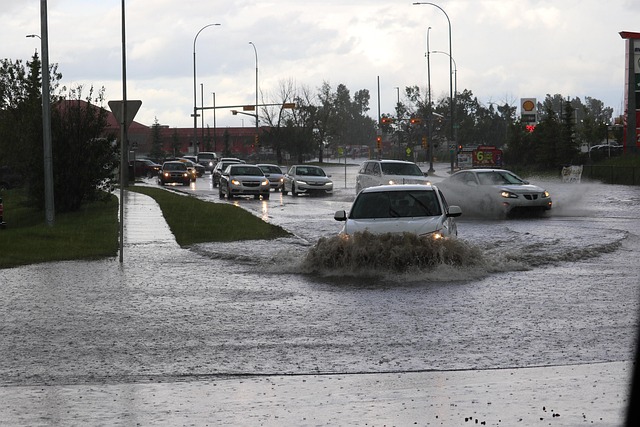
After a flood, navigating the process of making a claim is crucial for any homeowner, especially first-time buyers unfamiliar with flood insurance. The first step is to assess the damage, documenting every affected area and item with photos and detailed descriptions. This comprehensive record will be vital when filing your claim with your insurer. Remember that quick action is essential; most flood insurance policies require you to notify your insurer within a specific timeframe, typically 48-72 hours after discovering the loss.
Once notified, your insurance company will assign an adjuster who will schedule an inspection of the damaged property. During this visit, the adjuster will assess the extent of the damage and determine the value of your claim based on the policy’s coverage limits. This process can take several days or weeks, depending on the severity of the flood and the number of claims in your area. It’s important to cooperate fully with the adjuster, providing them with all necessary information and access to the property.
After the inspection, the insurer will provide a claim estimate and a settlement offer. Carefully review the estimate, ensuring it aligns with your assessment and the scope of work required for repairs. If you agree with the proposal, sign the documents, and your insurer will disburse funds directly to you or to contractors performing the repair work. This phase requires close communication between you, your contractor, and the insurance company to ensure a smooth restoration process and avoid delays or disputes over coverage.
Common Misconceptions About Flood Insurance Debunked

Many first-time homebuyers approach flood insurance with trepidation, falling victim to common misconceptions that can cloud their understanding of this essential protection. Let’s dispel some myths surrounding flood insurance to empower buyers with knowledge and peace of mind.
Firstly, it’s crucial to understand that flood insurance isn’t merely an add-on—it’s a safety net designed to protect against one of the most devastating natural disasters. Unlike home insurance policies which typically exclude flooding, flood insurance is specifically tailored to cover damages caused by rising waters. Debunking the notion that it’s only for coastal areas is vital; flash floods and heavy rainfall can wreak havoc miles from the sea. According to the National Oceanic and Atmospheric Administration (NOAA), about 20% of all flood claims are filed in low-to-moderate risk zones, highlighting the need for every homeowner to consider their flood insurance borrower requirements.
Another misconception is that policies are one-size-fits-all. Flood insurance plans vary based on location, home value, and specific risks. For instance, a policy for someone living in a high-risk area might include coverage for temporary relocation costs, while a lower-risk policy may not. Understanding these variations is key to selecting the right coverage. Homeowners should review their local flood maps provided by the Federal Emergency Management Agency (FEMA) and consult with insurance agents to grasp their true flood insurance borrower requirements.
Moreover, many buyers underestimate the potential financial burden of not having flood insurance. The average cost of a flood claim is around $30,000, according to data from the National Association of Insurance Commissioners (NAIC). Without coverage, homeowners bear these costs out-of-pocket. By embracing reality and acknowledging the risks, first-time buyers can make informed decisions regarding their flood insurance borrower requirements, ensuring they’re adequately protected against this often-overlooked peril.